
Storms & safety
What to do about trees after a storm
Updated · Guide by TreeRemovalServices.net
Short answer
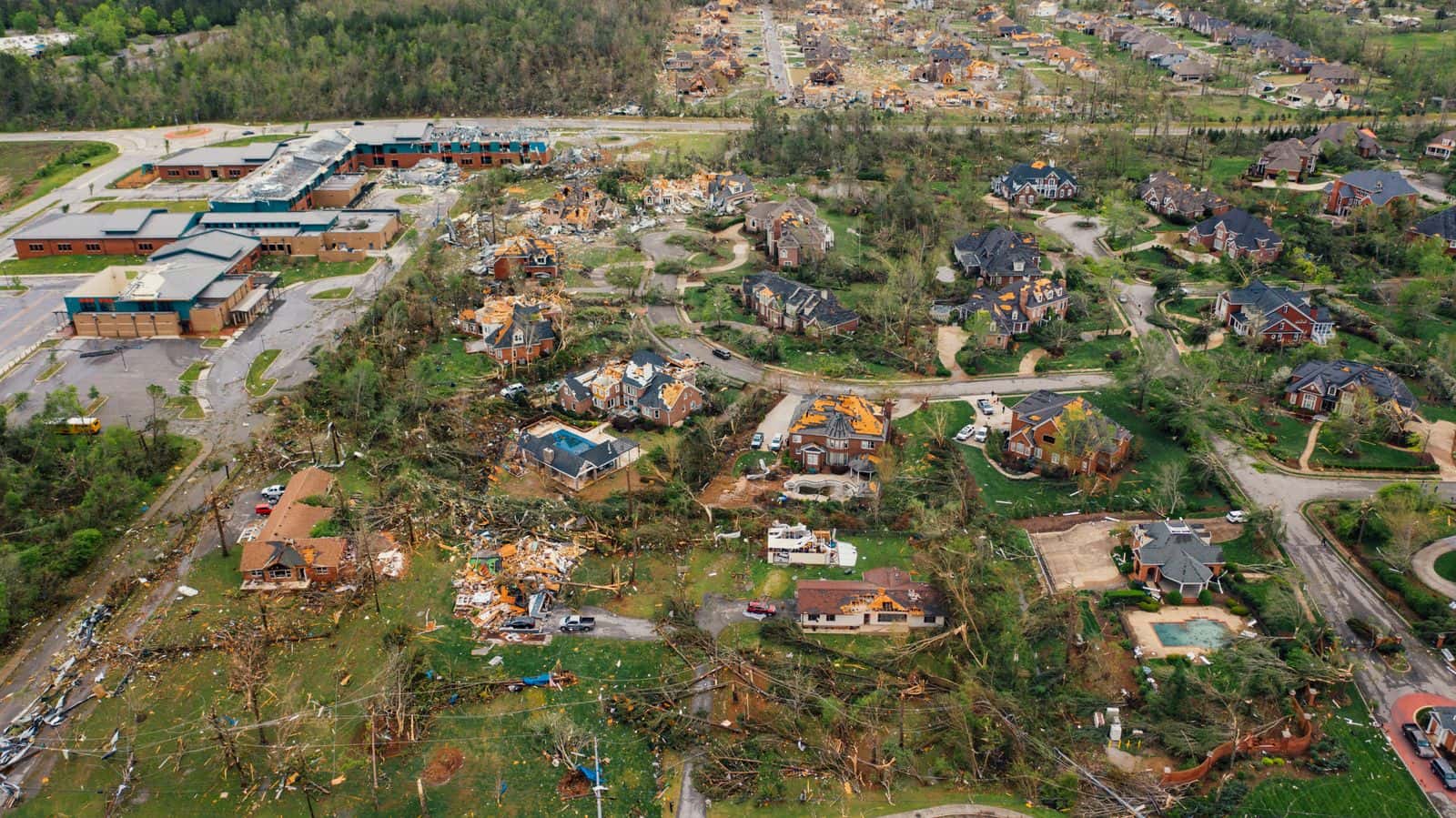
Start with safety: treat every downed line as live, and look up for hanging branches before walking under trees. Then triage. First, trees on structures, lines or blocking exits. Next, hangers and split trees near where people walk. Last, everything else. Photograph damage before cleanup, check whether your city runs storm-debris pickup, and be careful who you hire.
The first 24 hours
- Stay away from downed lines and anything touching them; report them to the utility.
- Look up for hangers before walking under any tree.
- Photograph everything before it's moved.
- Call your insurer if trees hit structures or vehicles.
- Call a tree service for trees on structures or blocking exits.
The following weeks
Once emergencies are handled, have damaged trees you'd like to keep assessed. Many trees recover with good pruning. Stack debris at the curb only if your city has announced storm-debris collection, and follow its sorting rules. Usually that means vegetation separate from construction debris, and nothing blocking storm drains, hydrants or meters.
Keep a simple log: dates, who you called, what each company quoted, and receipts. Insurance adjusters, and in federally declared disasters FEMA, may ask for it, and it makes follow-up far easier when you're dealing with several contractors at once.
Which trees need attention first
1
- Situation
- Tree touching power lines
- Who to call
- Electric utility (stay back)
2
- Situation
- Tree on the house, a vehicle, or blocking the only exit
- Who to call
- Tree service; 911 if anyone is hurt
3
- Situation
- Hanging broken limbs over walkways, driveways, play areas
- Who to call
- Tree service
4
- Situation
- Trees newly leaning, with lifted soil
- Who to call
- Tree service or arborist, soon
5
- Situation
- Broken limbs on the ground, minor damage
- Who to call
- Clean up yourself or schedule later
Chainsaw safety if you cut small debris yourself
Chainsaw injuries surge after storms. Wear eye, ear, leg and hand protection, never cut above shoulder height or from a ladder, and never cut wood that's bent or pinned. Leave anything large, tensioned, or near wires to professionals.
Common questions
How do I spot a storm-chaser scam?
Watch for pressure to sign on the spot, demands for full payment up front, no verifiable insurance, out-of-state plates with no local address, and requests to sign over your insurance benefits.
Editorial note: this guide is general information written for homeowners. It isn't a substitute for an on-site assessment by a qualified arborist, or for legal or insurance advice.